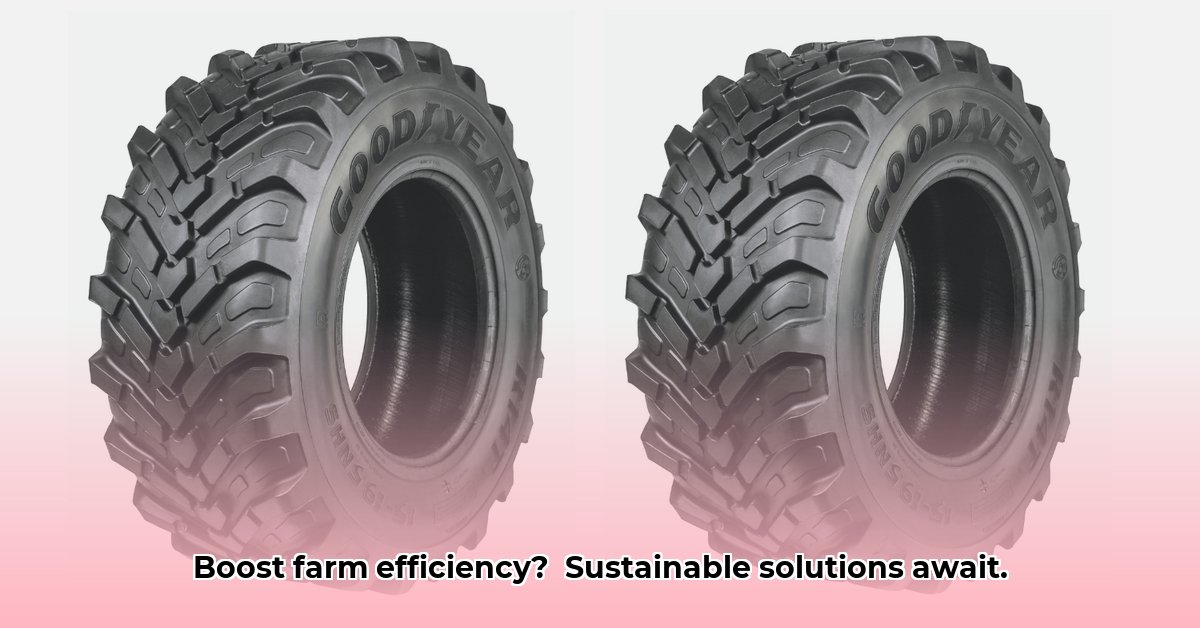
International Tractor Tires: Farming Smarter, Not Harder
Farming demands long hours, unpredictable weather, and the constant pressure for increased production while protecting our environment. But what if you could simplify operations and enhance sustainability? The answer might lie in a closer examination of international tractor tires, particularly low sidewall (LSW) tires. These advanced tires are designed for gentler land interaction, promising improved soil health and financial benefits. Unlike traditional tires, which might be compared to driving a rugged pickup truck over rough terrain, LSW tires offer a smoother, more efficient experience, akin to a comfortable sedan, minimizing bouncing and slippage. This translates to fuel savings, enhanced crop yields, and reduced soil compaction—a triple win. But how do you determine if LSW tires are the right choice for your farm? For more tire options, check out this resource.
Making the Switch: A Practical Guide to LSW Tires
Choosing the optimal tires is a multi-step process. Here's a practical approach:
Assess Farm Needs: Identify your primary concerns—high fuel costs, soil erosion, etc.—to guide tire selection.
Analyze Your Land: LSW tire effectiveness varies with soil type and farming practices. Thorough pre-purchase assessment is critical.
Conduct a Trial Run: Begin by testing LSW tires on a smaller area, meticulously documenting fuel consumption and soil condition changes. This trial allows for firsthand observation of real-world effects.
Analyze Long-Term Impacts: After the trial period, meticulously analyze gathered data. Evaluate long-term cost savings, the impact on soil health and resulting yield increases, and the overall financial and environmental sustainability of the LSW tire investment.
The sustainability of LSW technology transcends the tire itself, encompassing its entire life cycle—from manufacturing to disposal. A holistic perspective requires consideration of each stage. Don't farmers deserve a tire that respects their land and their bottom line?
Beyond the Rubber: The Bigger Picture of Sustainable Farming
While LSW technology offers significant advantages, it's not a panacea for sustainable agriculture. Several key factors warrant attention:
Tire Manufacturing: What is the environmental impact of tire production? Are more environmentally friendly manufacturing processes being developed?
Material Sourcing: Where do raw materials originate? Are sourcing practices sustainable, or do they have a considerable carbon footprint? Are eco-friendly alternatives emerging?
Tire Disposal: What is the end-of-life management plan for used tires? Effective recycling is essential for waste reduction and pollution control. Are accessible and convenient tire recycling programs available in your region?
These questions highlight the importance of a life cycle assessment (LCA). An LCA provides a comprehensive evaluation of a product's environmental effects across its entire lifespan, helping to determine the true environmental cost.
Working Together for a Greener Future: Collaboration is Key
Sustainable agriculture requires collaboration among farmers, manufacturers, researchers, and policymakers. Each stakeholder plays a critical role in fostering a more sustainable agricultural future. This collaborative approach is essential for achieving lasting positive change that benefits both farmers and the planet. How can each stakeholder contribute to a greener approach? Let's explore this.
The Future is Now: Innovations in International Tractor Tires
The field of international tractor tire technology is constantly evolving. We can expect advancements in materials and production methods. For example, bio-based materials offer the potential to significantly reduce the environmental impact of tire production. Ongoing research focuses on developing even more efficient and durable tires. The prospects are substantial, and progress is encouraging. Isn't innovation the key to unlocking a more sustainable future?
A Roadmap for Change: Actions for All Stakeholders
The following table outlines actions for different stakeholders:
| Stakeholder | Short-Term Actions | Long-Term Actions |
|---|---|---|
| Farmers | Trial LSW tires; monitor fuel use and soil health. | Implement precision farming; explore sustainable tire disposal and recycling options. |
| Manufacturers | Invest in LCA studies; seek sustainable materials. | Develop eco-friendly tire designs; invest in recycling infrastructure. |
| Researchers | Conduct field trials; publish findings. | Develop standardized sustainable tire performance metrics; research bio-based materials. |
| Government Agencies | Fund research and development; offer incentives. | Create regulations promoting sustainable farming; support recycling infrastructure development. |
Investing in sustainable international tractor tires is a shrewd move. It's not just about profit; it's about safeguarding resources for future generations—a benefit for all.
How to Reduce Soil Compaction with Low Sidewall Agricultural Tires
Soil compaction significantly impacts crop yields and overall soil health. However, a solution exists—low sidewall (LSW) tires.
Key Takeaways:
- LSW tires significantly reduce ground pressure, minimizing soil compaction.
- Radial tires generally outperform bias-ply tires in reducing soil disturbance.
- Proper tire inflation is crucial. Regular pressure checks are essential.
- Strategic field traffic management minimizes compaction. Precision agriculture techniques are beneficial.
- Investing in LSW tires offers long-term cost savings through improved yields and reduced soil degradation.
Understanding the Problem: Why Soil Compaction Matters
Heavy machinery compresses the soil, reducing pore space and hindering root growth. This results in decreased water infiltration, negatively affecting crop yields and, consequently, farm profitability.
The Solution: Low Sidewall Tires
LSW tires offer a larger footprint, distributing weight more effectively and reducing ground pressure. This minimizes soil compaction, similar to the difference between walking in regular shoes and snowshoes on soft snow.
Beyond Tire Type: Other Actions for Effective Compaction Reduction
- Tire Inflation: Maintaining correct tire pressure is vital. Over-inflation and under-inflation both increase compaction.
- Radial vs. Bias-Ply: Radial tires generally offer superior flexibility and weight distribution.
- Field Traffic Management: Minimize field passes using GPS guidance to optimize routes.
- Tire Maintenance: Regular inspection and maintenance extend tire life and performance.
Making the Switch: A Cost-Benefit Analysis
While the initial investment in LSW tires may seem significant, the long-term benefits, including increased yields, reduced soil degradation, and lower fuel consumption, often lead to substantial cost savings.
Looking Ahead: Technological Advancements
The agricultural tire industry is continually evolving, with ongoing research into innovative materials and designs for even more sustainable and efficient tire solutions.